October 26, 2026
Catalytic converters play an important role in reducing harmful emissions from vehicles. When this component becomes damaged, clogged, or stolen, it can affect vehicle performance, exhaust noise, and overall drivability. Understanding what happens during an inspection or repair can help vehicle owners make informed decisions about their exhaust systems. Professional service can identify problems, explain available solutions, and help restore proper vehicle operation. Knowing what to expect before scheduling an appointment also makes it easier to recognize warning signs and understand why timely attention matters.
Recognize the Signs of Catalytic Converter Problems
A vehicle may develop several noticeable symptoms when its catalytic converter is not functioning correctly. Reduced engine power, unusual exhaust odors, rattling sounds beneath the vehicle, and an illuminated check engine light can indicate a potential problem. These symptoms may also stem from other exhaust or engine issues, so a proper inspection is important before deciding which repair is necessary.
Drivers who notice these changes should pay attention to when the symptoms occur and whether they become more pronounced during acceleration. Sharing these observations with a technician can help narrow down potential causes. Professional catalytic converter services can help identify whether the converter itself needs attention or whether another component is contributing to the problem.
Ignoring these warning signs can allow an underlying issue to worsen. For example, restricted exhaust flow may interfere with engine performance, while unresolved engine problems can contribute to additional converter damage.
Understand What Happens During an Inspection
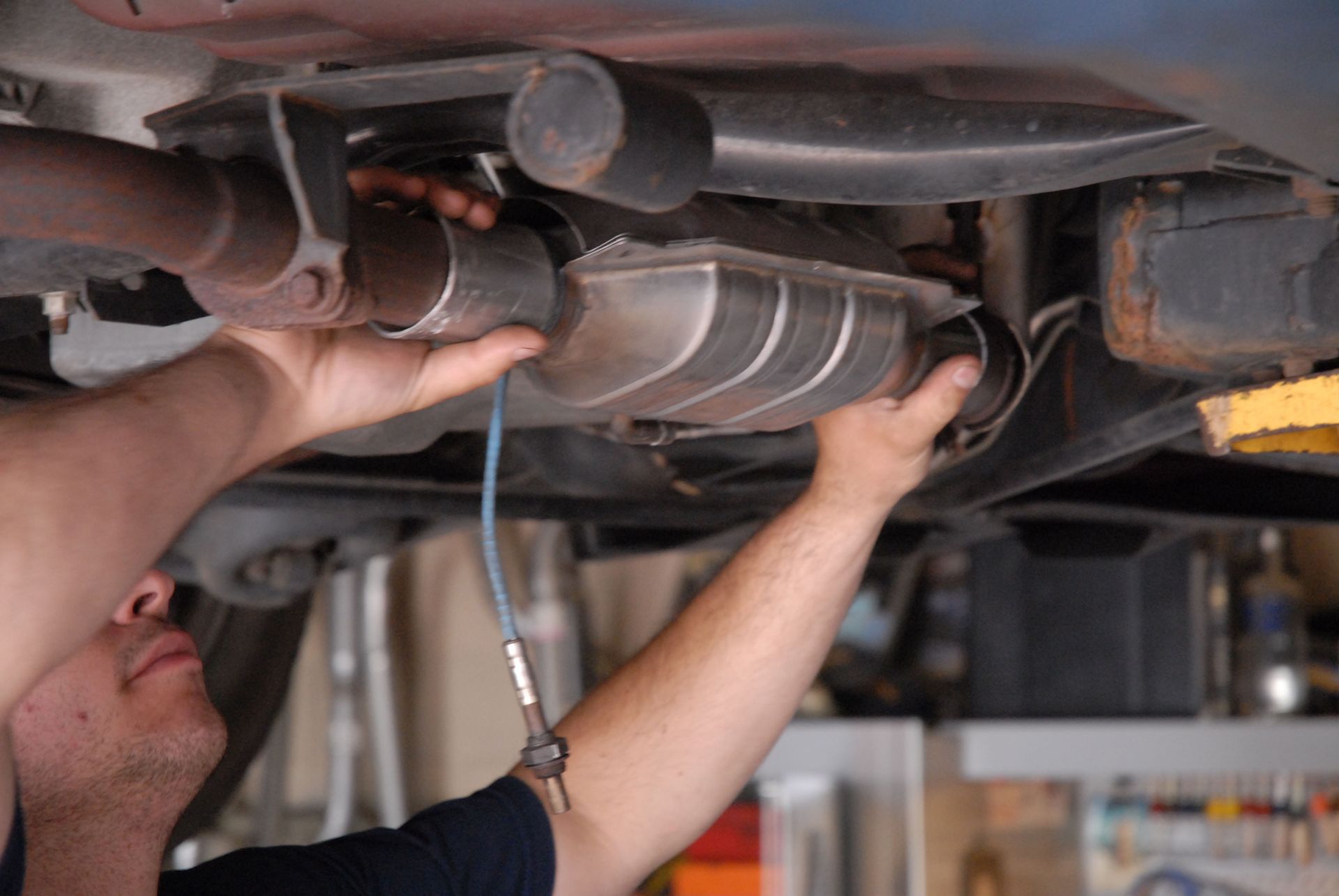
An inspection generally begins with a discussion about the vehicle's symptoms, maintenance history, and recent performance changes. A technician may examine the exhaust system for visible damage, loose connections, leaks, or signs of tampering. These checks help establish whether the concern involves the catalytic converter or another part of the exhaust assembly.
Diagnostic testing may also help determine whether the converter is operating as intended. Depending on the vehicle and its symptoms, a technician might evaluate engine codes, sensor readings, or other performance indicators. This process is important because replacing a converter without addressing an underlying engine problem may allow the same issue to return. A thorough evaluation helps establish an appropriate repair plan instead of relying on assumptions.
After completing the assessment, the technician should explain the findings in understandable terms. Vehicle owners can ask which symptoms support the diagnosis, what repairs are recommended, and whether additional testing is necessary. Clear communication helps drivers understand the condition of their exhaust system and make informed decisions about the work being proposed.
Explore Common Reasons for Converter Damage
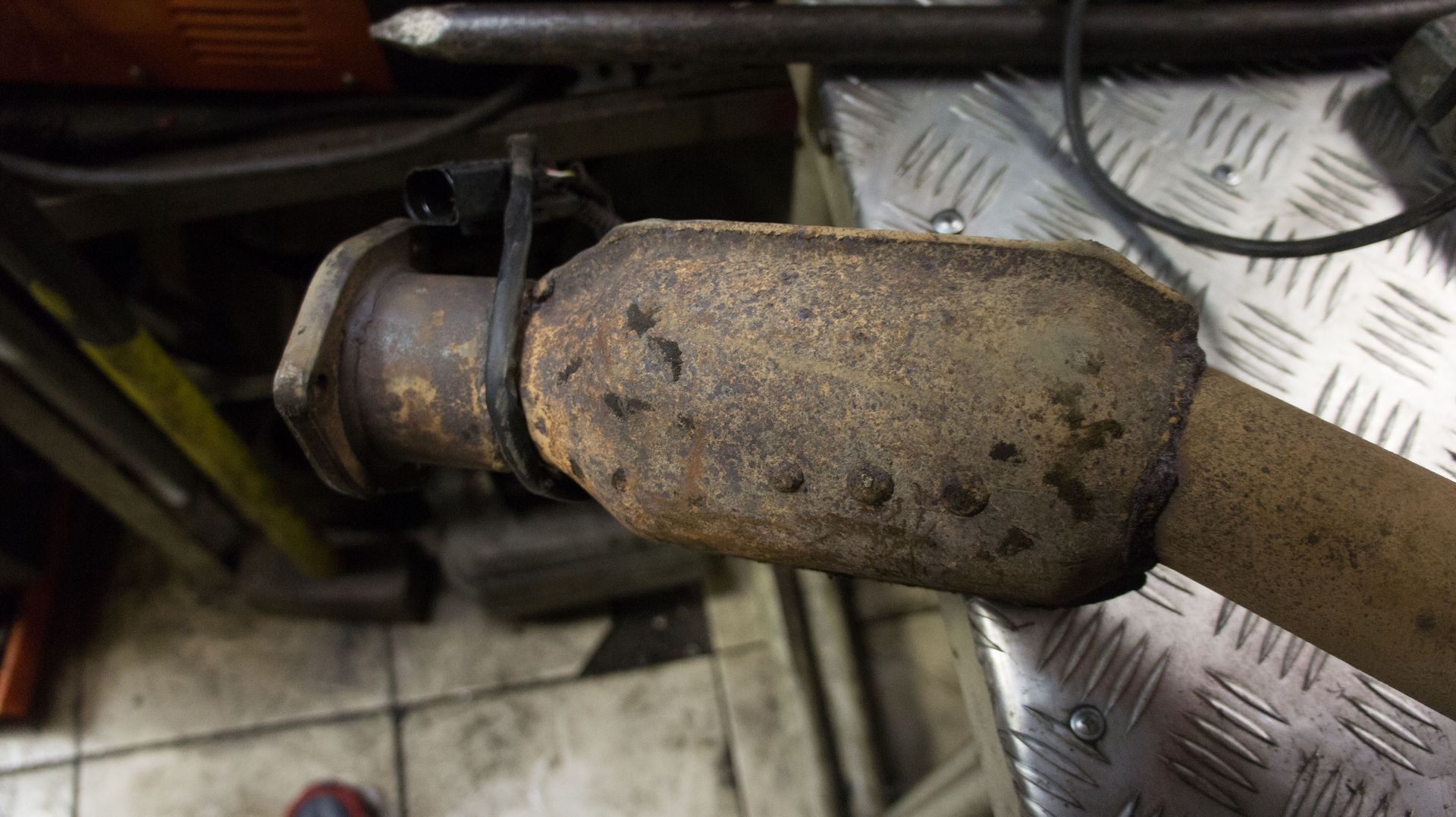
Catalytic converters can experience problems for several reasons. Internal components may deteriorate over time, while contamination from oil or coolant entering the exhaust can interfere with normal operation. Engine misfires and improper fuel mixtures may also cause excessive heat, potentially damaging the converter. Identifying the underlying cause helps prevent avoidable damage after repairs are completed.
Physical damage is another concern, particularly when the exhaust system encounters road debris or other obstacles. Theft can also leave a vehicle with an incomplete exhaust system, creating noticeable noise and potentially affecting emissions compliance. According to State Farm, catalytic converter theft claims fell by 74% during the first half of 2024 compared with the corresponding period in 2023. Although this decline is encouraging, vehicle owners should still recognize the signs of theft and take reasonable precautions to protect their vehicles.
Other warning signs can include poor acceleration, unusual exhaust smells, and difficulty passing an emissions inspection. However, these symptoms do not automatically confirm converter failure. A technician must consider the vehicle's overall condition and rule out other possible causes before recommending replacement.
Compare Repair and Replacement Options
The appropriate solution depends on the converter's condition, the source of the problem, and the vehicle manufacturer's requirements. In some situations, a technician may discover that an issue involving a sensor, exhaust connection, or engine component is responsible for the symptoms. Addressing that underlying issue may resolve the concern without replacing the catalytic converter itself.
When the converter has suffered internal damage, severe deterioration, or theft, replacement may be necessary. A technician can explain which replacement options are compatible with the vehicle and whether the proposed component meets applicable emissions requirements. Professional catalytic converter services should include a clear explanation of the recommended work, the parts involved, and any related repairs needed to support reliable operation.
Vehicle owners should also ask about warranty coverage and the expected scope of the repair. Understanding what is included can make it easier to compare estimates and avoid confusion about additional work. A clear explanation of the available options helps drivers choose a solution based on their vehicle's needs rather than making a decision based solely on the initial price.
Before approving a replacement, drivers should confirm that the selected component is appropriate for their specific vehicle. Compatibility, emissions regulations, and warranty conditions can influence which parts are suitable.
Prepare Your Vehicle for Service
Preparing for an appointment begins with gathering useful information about the vehicle's behavior. Drivers should note unusual noises, changes in acceleration, warning lights, and any recent maintenance or engine problems. If the vehicle has suddenly become much louder or shows signs of exhaust damage, explaining when the change occurred can help the technician understand the situation.
It is also helpful to ask questions before approving repairs. Vehicle owners can request an explanation of the diagnosis, the reason a particular component needs attention, and whether other problems could affect the repair. Professional catalytic converter services should leave drivers with a clear understanding of the recommended work and its purpose.
If theft is suspected, avoid reaching beneath the vehicle or attempting to handle damaged exhaust components. Sharp metal edges, hot parts, and unstable vehicle positioning can create safety hazards. A qualified technician can assess the damage and determine what repairs are necessary. If the vehicle produces unusually loud exhaust noise or appears unsafe to drive, arrange appropriate assistance rather than risking further damage or injury.
Drivers should also communicate any concerns about unusual smells, exhaust fumes, or changes in engine performance. These details can help the technician prioritize safety concerns and investigate related problems. Providing accurate information at the beginning of the appointment can make the diagnostic process more efficient and help establish realistic expectations for the repair.
Maintain Your Exhaust System After Repairs
Good vehicle maintenance can help protect the catalytic converter and support the performance of the broader exhaust system. Addressing engine warning lights, misfires, oil leaks, and coolant problems promptly can reduce the likelihood of conditions that damage the converter. Following the manufacturer's maintenance recommendations also helps technicians identify developing concerns before they become more serious.
Drivers should remain attentive to changes in exhaust sound, engine response, and fuel economy after a repair. If the original symptoms return, a follow-up inspection can help determine whether the problem was fully resolved or another issue has developed. Keeping records of repairs and maintenance provides useful information for future troubleshooting.
Vehicle security also deserves consideration because catalytic converter theft can result in unexpected repair expenses. Parking in well-lit areas, choosing secure parking when available, and discussing appropriate theft-deterrent devices with a qualified professional may help reduce risk.
Consistent maintenance also gives technicians opportunities to identify developing exhaust concerns during routine visits. Unusual vibrations, damaged hangers, loose connections, and visible corrosion can indicate that additional attention is needed.
When exhaust problems arise, acting promptly can help prevent additional complications and restore confidence behind the wheel. Whether your vehicle needs diagnostic testing, exhaust repairs, or a replacement component, choosing knowledgeable professionals makes the process easier to navigate. Contact B & B Muffler to discuss your vehicle's exhaust concerns, understand your repair options, and get the professional assistance you need to get back on the road with confidence.