April 23, 2026
The catalytic converter is a critical component of your vehicle's exhaust system, playing an essential role in reducing harmful emissions. However, many vehicle owners are unsure about how often this component needs servicing to promote optimal performance and longevity. This article aims to provide a comprehensive guide on the servicing intervals of catalytic converters, the factors influencing these intervals, and the implications of neglecting this crucial aspect of vehicle maintenance.
Understanding the Role of the Catalytic Converter
The catalytic converter's primary function is to reduce the toxic gases and pollutants produced by internal combustion engines. By converting harmful substances like carbon monoxide, hydrocarbons, and nitrogen oxides into less harmful emissions, it significantly lowers the vehicle's environmental impact. This conversion process is crucial for adhering to emissions standards set by government regulations aimed at reducing air pollution. Without a properly functioning catalytic converter, serviced with expert catalytic converter service, a vehicle's emissions can exceed legal limits.
The reduction of harmful emissions not only benefits the environment but also public health. Pollutants from vehicle exhaust can lead to respiratory issues and other health problems, particularly in urban areas with high traffic. The catalytic converter helps minimize these risks. It is a standard component in vehicles to meet the emission standards set by agencies such as the Environmental Protection Agency (EPA) in the U.S. As emissions regulations tighten globally, the catalytic converter’s role becomes even more significant.
Learning the Basic Mechanisms of Operation
The catalytic converter operates by using a catalyst made up of platinum, palladium, and rhodium to initiate chemical reactions. As exhaust gases pass through the converter, the catalyst facilitates a reaction that transforms these gases into less harmful substances.
To achieve the desired chemical reactions, the catalytic converter must operate at high temperatures. This is typically achieved shortly after the engine starts, maintained by the heat of the exhaust gases. However, overheating can be problematic, possibly damaging the catalyst and other internal components. Proper maintenance helps in sustaining the converter's efficiency and lifespan.
Analyzing Materials and Construction Processes
Catalytic converters are constructed using a ceramic or metallic substrate structured in a honeycomb pattern. This design provides a large surface area for the reactions to occur, enhancing the efficiency of the emission conversion process. The substrate is coated with a washcoat carrying precious metals like platinum, palladium, and rhodium.
The durability of a catalytic converter is largely dependent on the materials used in its construction. High-quality converters with robust substrates and optimal catalytic coatings tend to last longer. Due to the cost of the precious metals involved, catalytic converters are frequently targeted in thefts. According to TheWeeklyDriver.com, reports of catalytic converter theft saw a 23% decline in the early months of 2025, possibly due to increased anti-theft measures and stricter regulations.
Comparing Types of Catalytic Converters
Catalytic converters can primarily be categorized into two types: two-way and three-way converters. Two-way catalytic converters are designed to oxidize carbon monoxide and hydrocarbons and are commonly used in diesel engines. Three-way converters, on the other hand, also reduce nitrogen oxides to nitrogen and oxygen, making them suitable for modern gasoline engines.
Selecting Direct-Fit and Universal Converters
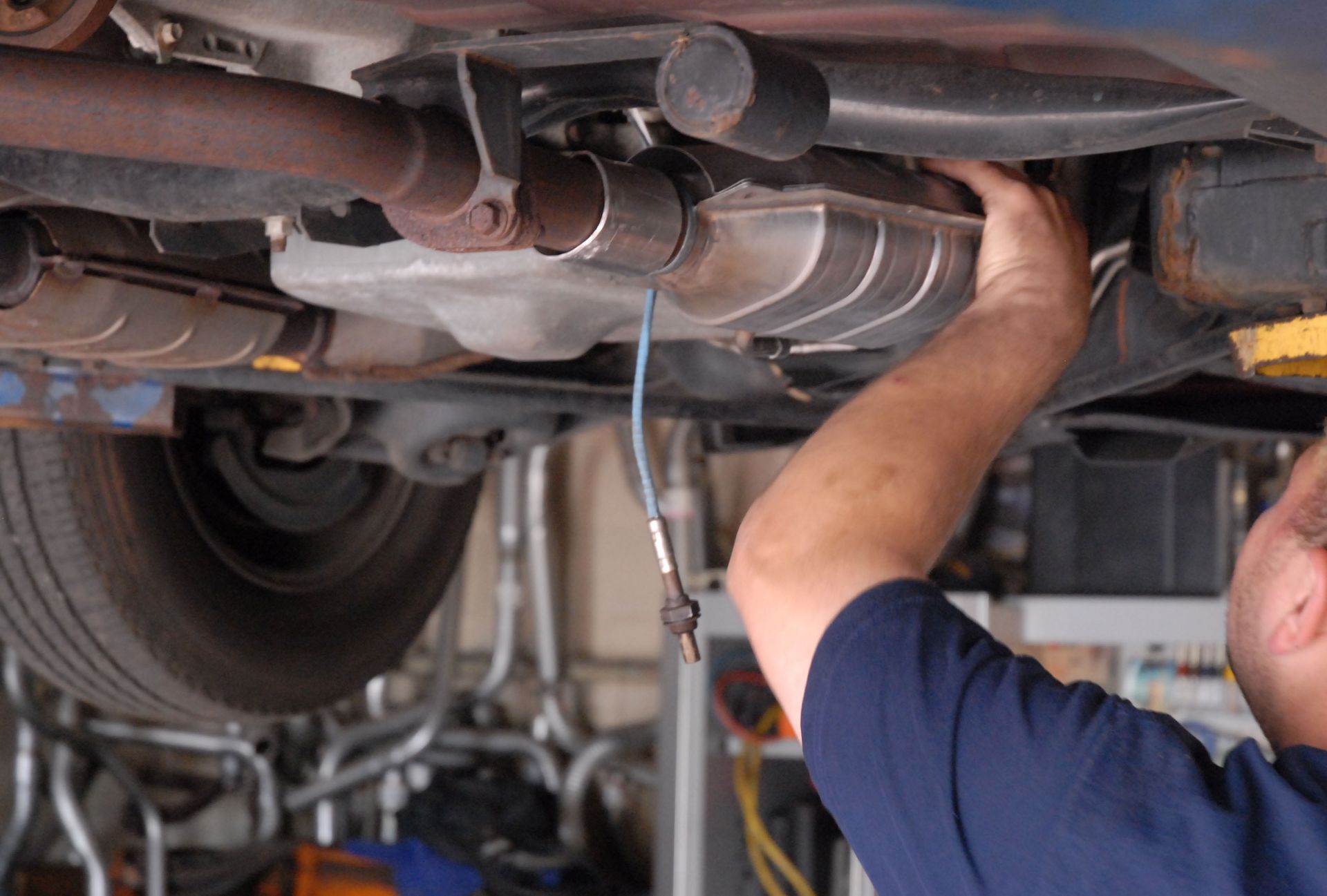
Another differentiation can be made based on the configuration: direct-fit and universal converters. Direct-fit catalytic converters are designed as a direct replacement, matching the specifications of the original equipment. These units are manufactured to the exact dimensions of your vehicle's exhaust piping, featuring pre-welded flanges and oxygen sensor ports that allow for a bolt-on installation. While the upfront cost is higher, they minimize labor time and ensure the exhaust system remains within its original design parameters.
Universal converters offer a broader fit range and are typically less expensive but may require adjustments for installation. Because they are not designed for a specific vehicle, a technician must often cut the existing exhaust pipes and weld the new unit into place. This can be a cost-effective solution for older vehicles where a direct-fit part is no longer manufactured or is prohibitively expensive. However, it requires a higher level of precision during catalytic converter service to ensure there are no exhaust leaks and that the unit is positioned correctly for heat dissipation.
Servicing Your Catalytic Converter
A noticeable decline in engine performance can often be traced back to a failing catalytic converter. This component is crucial for exhaust system efficiency, and any restriction in its function can lead to decreased engine power. Blockages within the converter can cause exhaust backpressure, choking the engine and reducing its ability to perform optimally.
Observing Unusual Exhaust Smoke Color
One indicator that your catalytic converter may need servicing is the color of your vehicle's exhaust smoke. Normal exhaust should be colorless, so any discoloration can suggest an issue with the exhaust system. For instance, blue smoke often indicates the burning of excess oil, while black smoke can suggest fuel-rich mixtures burning.
Analyzing Check Engine Light Activation
The activation of the check engine light is a common sign that there may be an issue with the catalytic converter. Modern vehicles come with onboard diagnostics systems that monitor various components, including the exhaust system. If the system detects that the catalytic converter is not performing efficiently, it will trigger the check engine light.
Hearing Rattling Noises During Operation
Rattling noises emanating from the vehicle during operation can often be linked to issues within the catalytic converter. This sound is typically caused by the disintegration of internal components, such as the ceramic honeycomb (monolith) breaking apart due to wear or damage. These fragments can rattle inside the shell of the converter, especially noticeable when starting or turning off the engine.
Receiving Professional Service
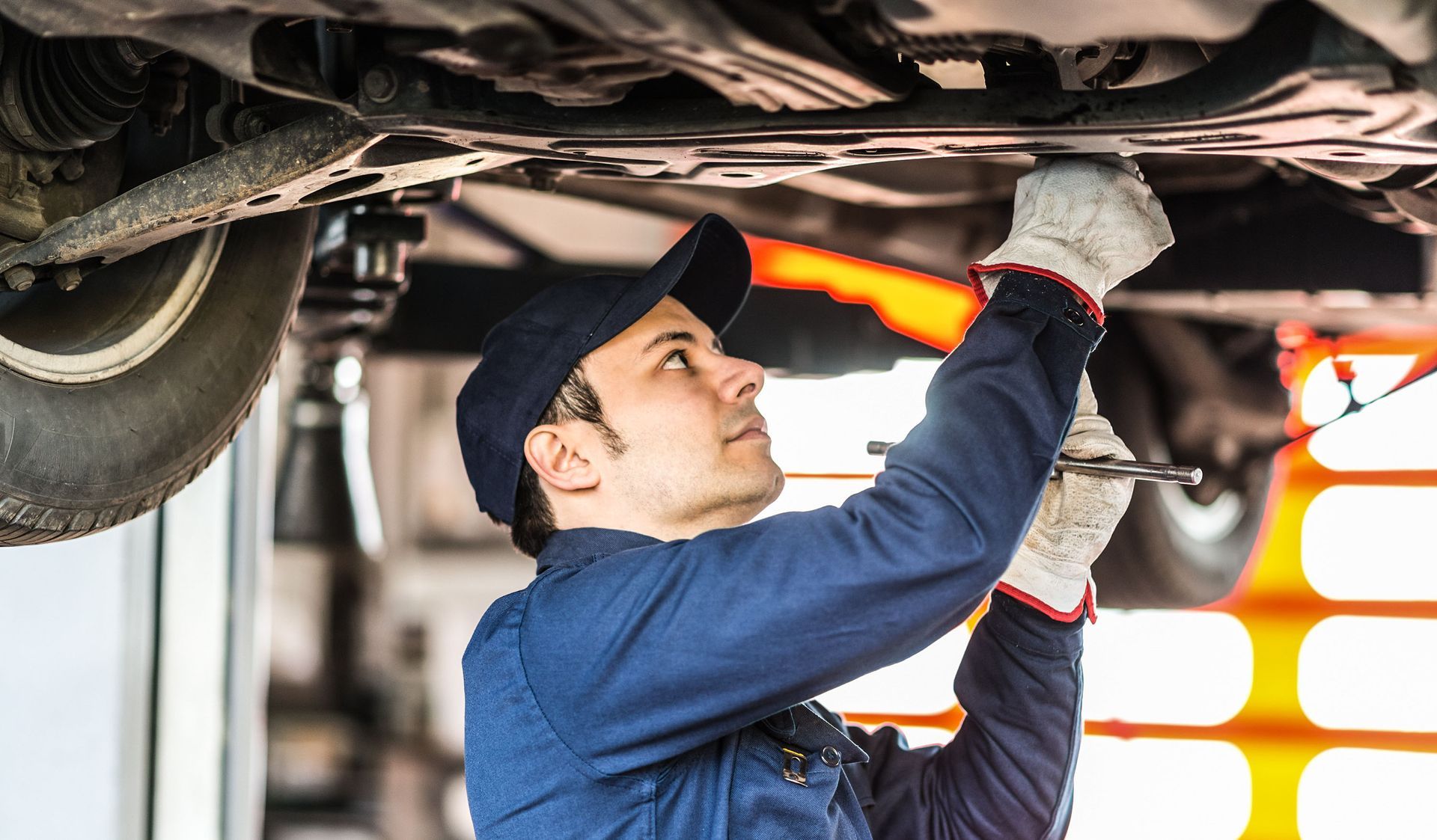
Enlisting professional help for catalytic converter service is vital for an accurate diagnosis. Skilled mechanics use advanced diagnostic tools to read onboard computer codes and perform exhaust backpressure tests. This level of analysis identifies whether the converter is actually failing or if a secondary issue, like a faulty oxygen sensor or engine misfire, is causing the symptoms.
A professional technician can distinguish between a converter that is poisoned by engine coolant or oil and one that has simply reached the end of its functional life. For example, a failing coolant temperature sensor might keep the engine in open loop mode, causing it to run excessively rich and eventually melt the converter's internal honeycomb. Without a professional catalytic converter service, you might replace the expensive converter only to have the new one fail within weeks because the underlying engine issue was never resolved.
Maintaining Environmental and Legal Compliance
Regular catalytic converter service helps your vehicle stay within the emissions limits required in the U.S. In many states, a vehicle cannot pass its annual inspection if the catalytic converter is not functioning correctly. Professionals can clean or replace the unit to restore it to factory specifications, preventing fines and supporting local air quality.
Maintaining your catalytic converter is essential for vehicle performance, fuel economy, and environmental health. While these components are designed for durability, factors like driving habits and engine health can influence how often they need attention. Recognizing the signs of failure—such as sluggish acceleration, rattling noises, or a check engine light—is the first step in avoiding more expensive exhaust repairs.
If you suspect your vehicle is struggling with exhaust issues or you have reached a high-mileage interval, do not wait for a failed emissions test. Contact B & B Muffler today to schedule your catalytic converter service and keep your vehicle running cleanly and efficiently on the road.