October 29, 2026
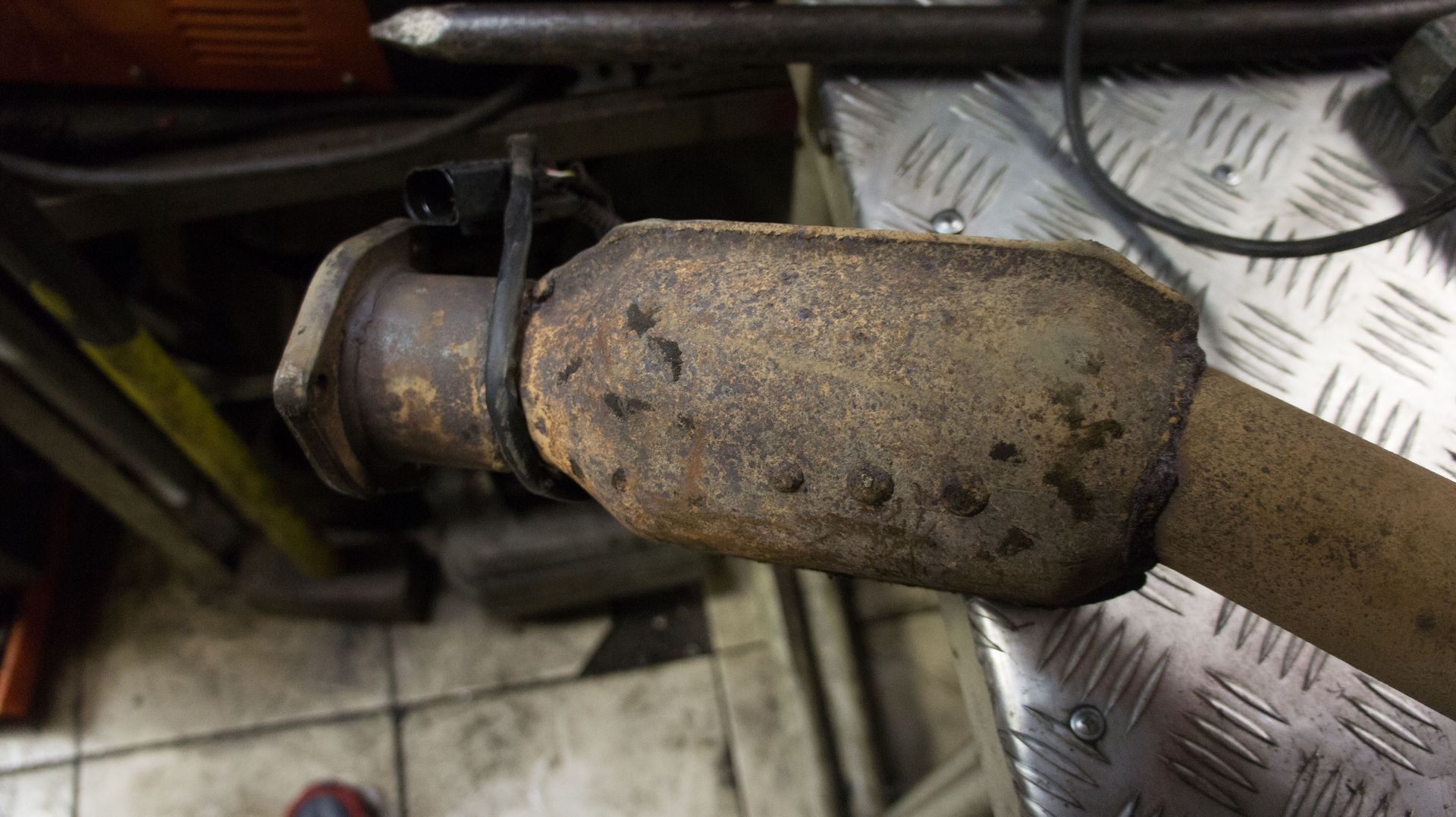
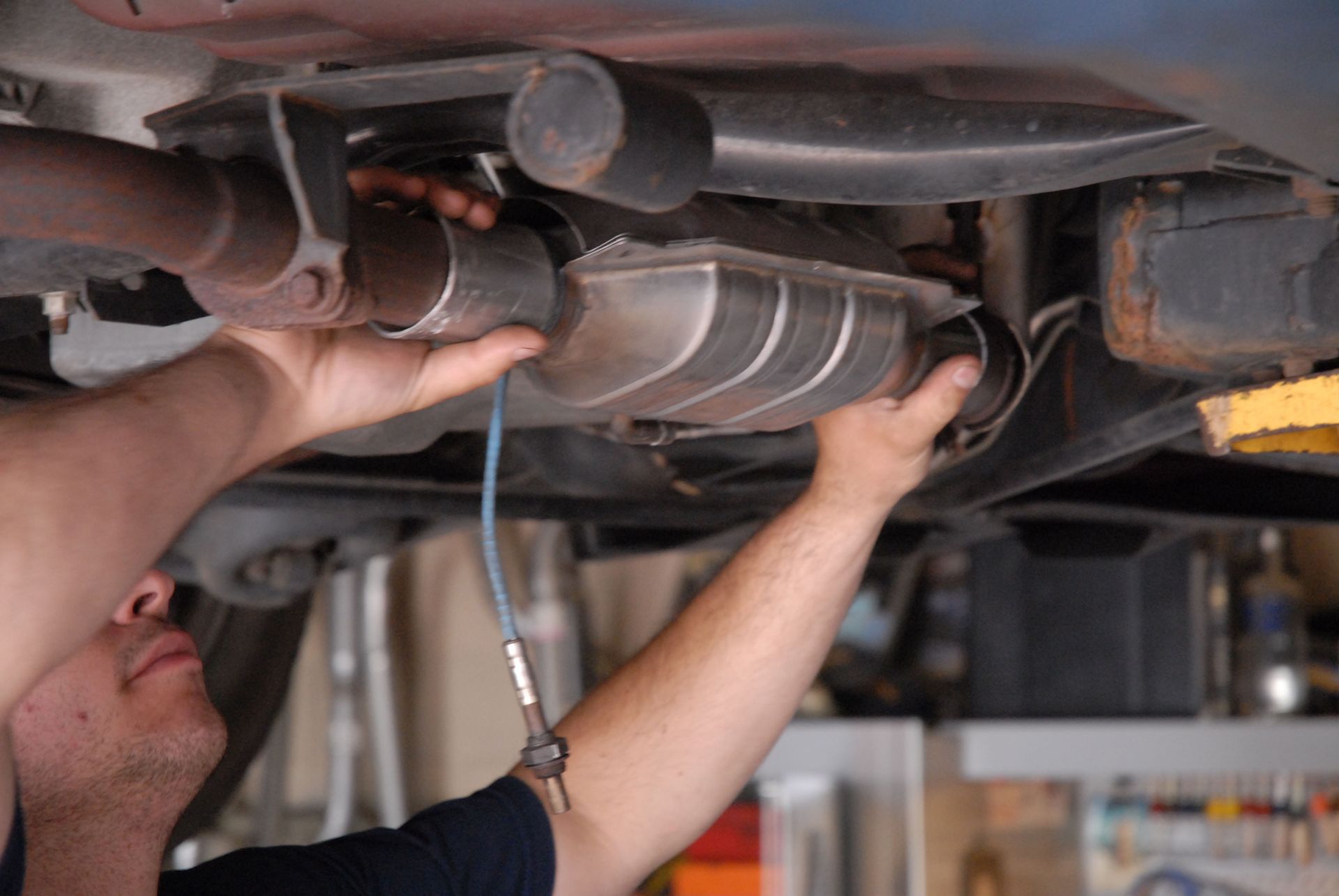
A catalytic converter plays an important role in a vehicle’s emissions-control system. It helps convert certain harmful exhaust gases into less harmful substances before they leave the tailpipe. When the converter becomes clogged, damaged, contaminated, or stolen, the vehicle may develop noticeable performance changes and may no longer meet applicable emissions requirements. Booking a local catalytic converter service can help identify the cause and determine what repair is appropriate.
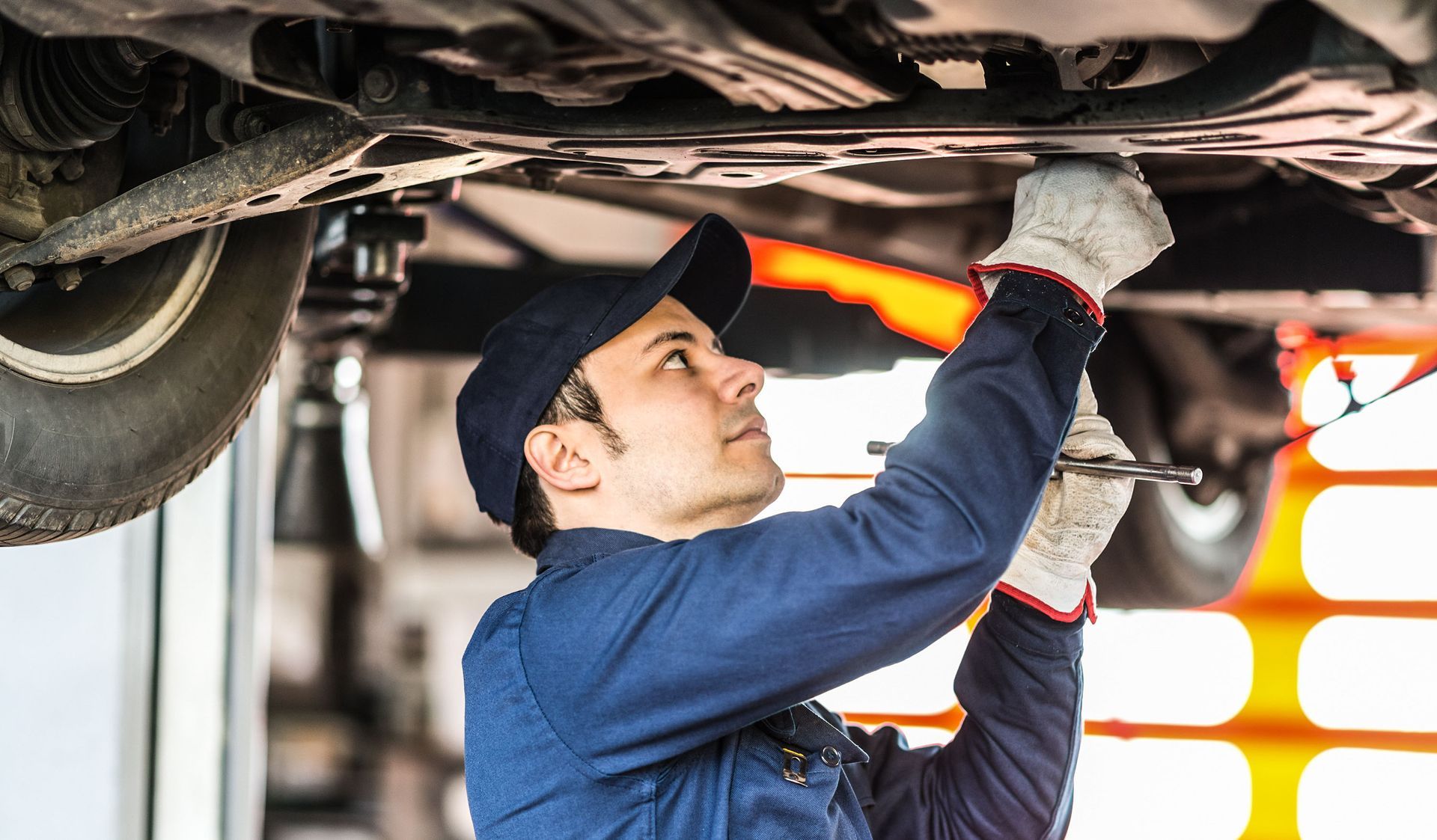
Warning signs can include a check-engine light, reduced acceleration, unusual rattling beneath the vehicle, or a sulfur-like exhaust odor. These symptoms do not automatically mean the converter has failed, because oxygen sensors, exhaust leaks, ignition problems, and other components can produce similar concerns. A local catalytic converter service can help distinguish between these possibilities before parts are replaced. Prompt diagnosis may also prevent an underlying engine issue from causing further damage to the exhaust system.
Maintaining Emissions-System Performance
Catalytic converters are designed to reduce specific pollutants created during combustion. When the converter is not operating correctly, emissions can increase and the vehicle may fail an inspection where emissions testing is required. A qualified technician can assess the converter alongside related components, including oxygen sensors and exhaust connections, to determine whether the system is functioning as intended. This broader evaluation helps avoid treating a symptom while overlooking the source.
Vehicle performance and emissions control are closely connected. Engine misfires, incorrect fuel mixtures, or oil and coolant entering the exhaust can damage a converter over time. A local catalytic converter service can investigate whether a converter fault is isolated or linked to another mechanical problem. Addressing the underlying cause is important when replacing a failed unit, since a new component can also be damaged if the original problem remains.
Diagnosing Exhaust Noise and Performance Changes
Changes in exhaust sound can signal damage that deserves attention. A loose heat shield, broken internal converter material, leaking joint, or damaged exhaust pipe may create rattling, ticking, or louder-than-usual engine noise. A technician can inspect the exhaust assembly and identify where the sound originates rather than assuming the catalytic converter is responsible. This diagnosis supports a more targeted repair plan.
Drivers may also notice sluggish acceleration, difficulty reaching normal speeds, or unusual fuel economy. A severely restricted converter can interfere with exhaust flow, but other engine and fuel-system issues can produce similar symptoms. Professional testing helps establish whether the converter is restricted and whether additional repairs are necessary. Scheduling a local catalytic converter service when changes first appear may help prevent extended driving with a problem that affects performance or emissions.
Responding Quickly to Catalytic Converter Theft
Catalytic converter theft can leave a vehicle loud, difficult to drive, and unsafe to operate in some conditions. The converter is located in the exhaust system underneath many vehicles, making it accessible to thieves who target its valuable metals. According to Carfax, more than 137,000 catalytic converters were reported stolen in 2025, underscoring the scale of the problem for vehicle owners nationwide. After a suspected theft, a professional can inspect the damaged exhaust area and explain the replacement process.
A missing converter may leave exposed pipes or wiring and can allow exhaust gases to escape beneath the vehicle. Drivers may notice an abrupt increase in noise immediately after starting the engine. It is sensible to avoid unnecessary driving and arrange an inspection, particularly if exhaust is entering areas near the cabin or the vehicle’s handling or operation seems affected. A local catalytic converter service can assess related damage, identify the correct replacement, and confirm that connected exhaust components are properly restored.
Selecting the Correct Replacement Component
Not every catalytic converter fits every vehicle. The correct part depends on factors such as the vehicle’s year, make, model, engine configuration, emissions certification, and location of registration. A professional service provider can confirm which replacement options are compatible and whether federal or state emissions requirements affect the selection. Choosing the right component helps reduce the risk of fitment problems or compliance issues.
Parts can differ in design, materials, warranty terms, and certification. Some vehicles require a direct-fit converter designed for a particular application, while other approved options may be available depending on the vehicle and applicable rules. Before authorizing work, ask what part is proposed, whether it meets the relevant requirements, and what the warranty covers. Working with a local catalytic converter service gives drivers an opportunity to discuss these details with a professional familiar with exhaust-system repairs.
Protecting Related Exhaust Components
The catalytic converter operates as part of a larger exhaust assembly. Pipes, flanges, gaskets, hangers, oxygen sensors, and heat shields all contribute to proper operation and secure installation. Corrosion, road debris, impact damage, and worn connections can affect more than one component, so an inspection should look beyond the converter itself. Identifying related problems can help ensure that a repair addresses the whole affected area.
Proper installation also matters for long-term performance. Incorrect fitment, exhaust leaks, damaged connectors, or an unresolved engine problem may cause a replacement converter to perform poorly or fail prematurely. A technician can verify the connections, inspect nearby components, and check for fault codes after the work is completed. This attention to the surrounding system helps support reliable operation after a local catalytic converter service.
Understanding Costs, Timing, and Repair Options
Repair cost depends on the vehicle, converter type, labor requirements, related damage, and whether diagnosis identifies additional faults. Replacing a converter after theft can involve more work than installing the part alone if pipes, flanges, sensors, or mounting hardware were damaged. An estimate should distinguish parts and labor and explain any recommended related repairs. Asking for this information before work begins helps drivers understand the scope of the service.
Turnaround time can vary based on parts availability, the vehicle’s configuration, and the extent of damage. If the converter was stolen, the shop may need to restore sections of pipe or replace damaged mounting hardware before installation can be completed. Ask whether the estimate includes diagnostic work, parts, labor, and any post-repair checks. Knowing what is included helps you compare estimates accurately and plan for the vehicle’s return to service.
The least expensive part is not necessarily the most suitable choice if it does not meet the vehicle’s requirements or comes with limited coverage. At the same time, a costly replacement may not be needed if a sensor fault or exhaust leak is causing the warning light. A
local catalytic converter service helps separate confirmed repairs from possibilities that need further testing. Discussing available options can help you make a decision based on compatibility, safety, and expected durability rather than price alone.
Catalytic converter concerns affect emissions, exhaust performance, noise, and sometimes the vehicle’s ability to pass required testing. Whether the issue involves a warning light, reduced power, physical damage, or theft, a careful inspection can identify the cause and clarify the next step. Timely attention may also reveal problems elsewhere in the exhaust or engine systems before they create additional complications. Professional service is especially valuable when replacement parts must meet vehicle-specific and regulatory requirements.
B & B Muffler provides exhaust-related products and services, including catalytic converter solutions, to help address a range of vehicle needs. Our team can help assess the issue, discuss suitable replacement options, and explain the work involved in restoring the exhaust system. We understand the importance of selecting parts that fit the vehicle and meet applicable requirements. Contact B & B Muffler to discuss your vehicle’s symptoms or replacement needs and arrange the appropriate service.