June 20, 2026
Both catalytic converter theft and engine damage have emerged as pressing concerns for vehicle owners across the globe. These issues have profound economic and operational implications, presenting both individual challenges and broader community impacts. Understanding the gravity of these two problems is essential in order to determine where efforts and resources should be directed to provide relief for vehicle owners and improve vehicle security and sustainability. While one issue is a criminal matter and the other is mechanical, both require proactive attention to ensure that your transportation remains reliable and safe for your daily commute. Modern drivers often find themselves weighing the risks of external property crime against the internal degradation of mechanical components. Navigating these complexities requires a thorough understanding of the costs, preventive measures, and societal influences that shape the current automotive landscape for every modern car owner on the road today.
The Significant Role of Modern
Exhaust Systems
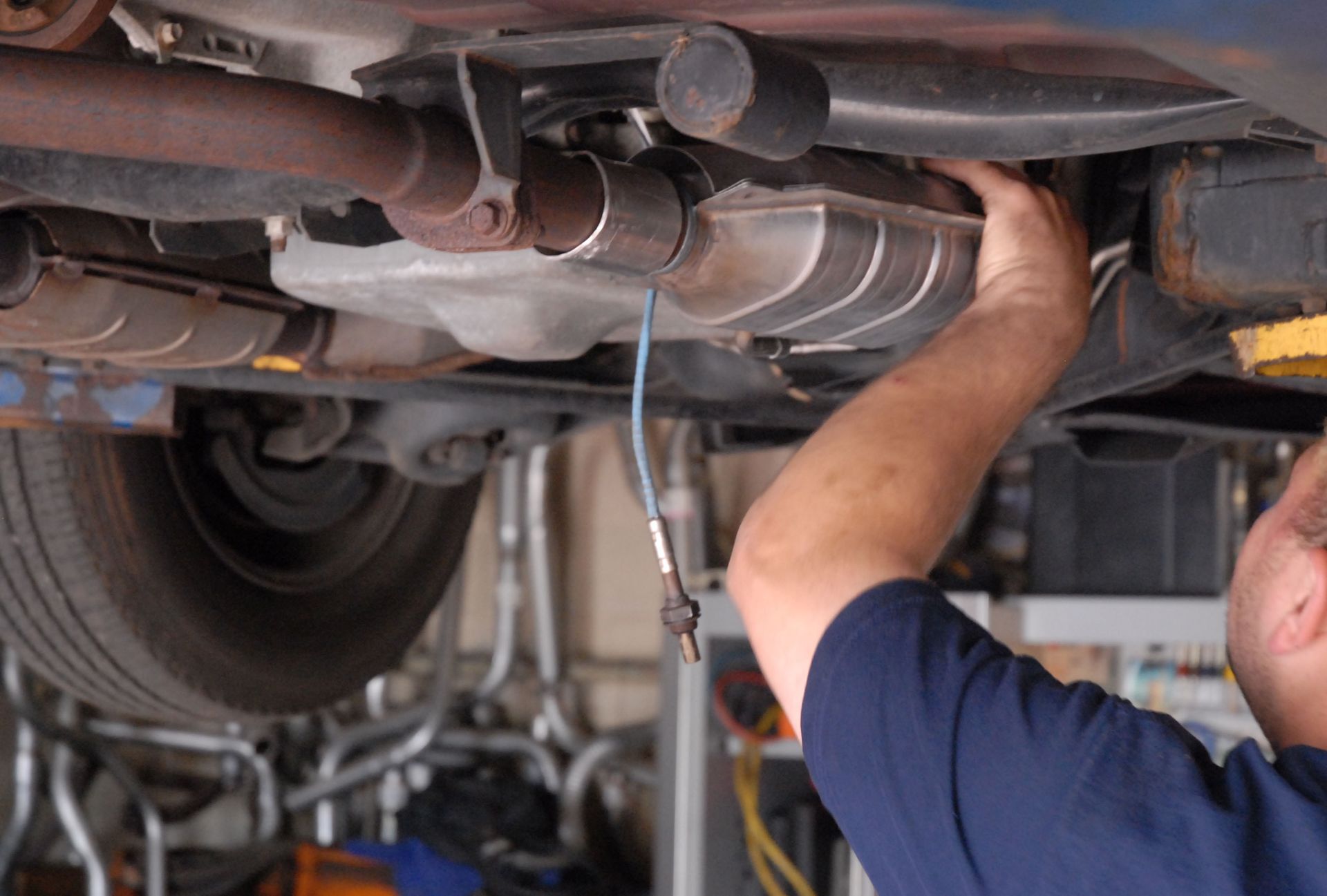
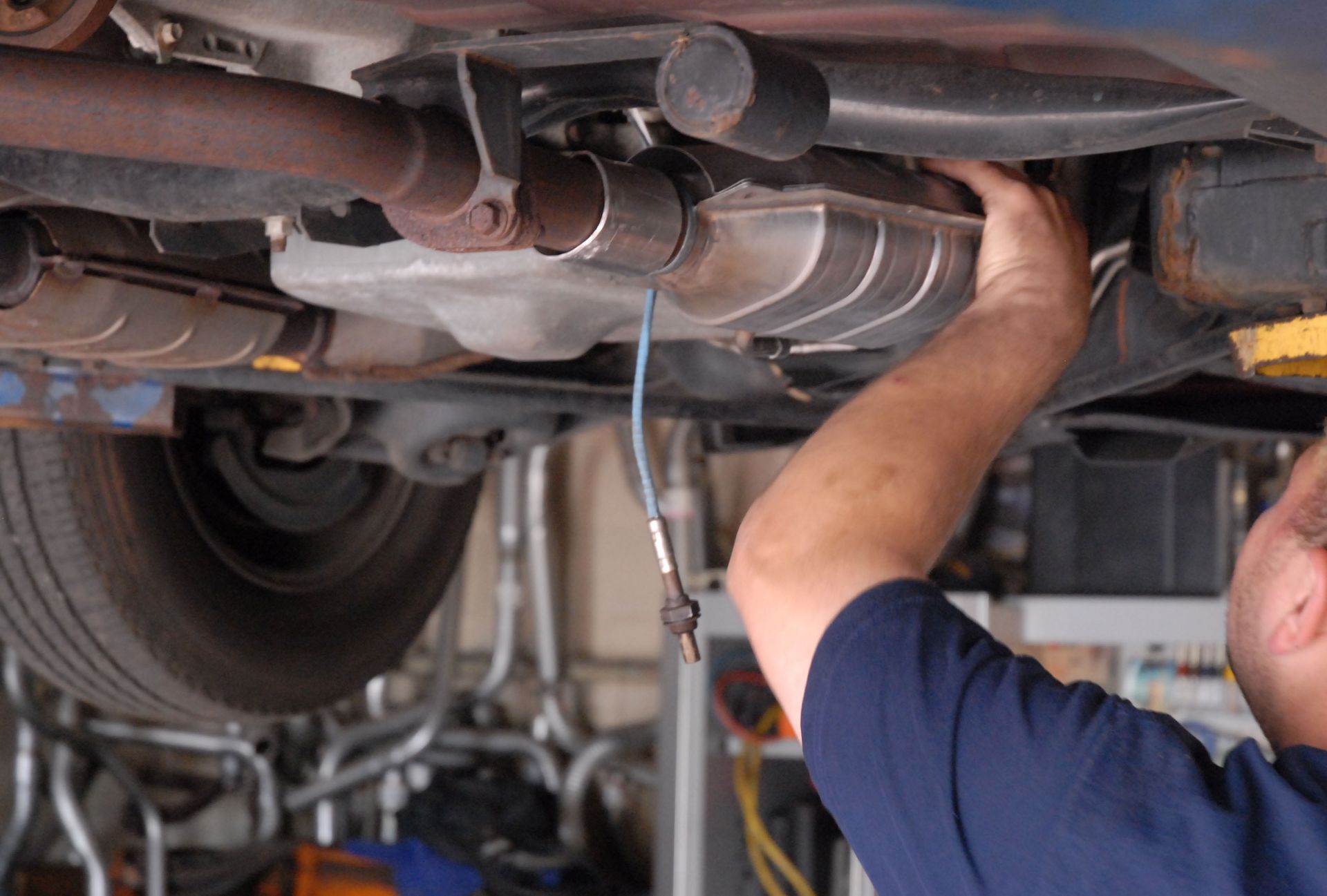
Catalytic converters are critical components in a vehicle exhaust system designed to reduce harmful emissions. They work by converting pollutants from the engine exhaust into less harmful gases through chemical reactions. The metals within these converters, namely platinum, palladium, and rhodium, are highly valuable, making these devices attractive to thieves. Their location in the underside of vehicles and relatively easy removal further contribute to their susceptibility to theft. As emissions regulations become more stringent, these parts have become more sophisticated and costly to replace. Protecting your local catalytic converter involves understanding how the exhaust system functions and why criminals target these specific areas of the undercarriage. By maintaining a high level of awareness regarding the value of these components, vehicle owners can better prepare themselves for potential risks. Regular inspections by a qualified professional ensure that the system remains intact and is functioning according to original manufacturer specifications for the life of the vehicle.
The Current Status of National
Theft Trends
Recent years have seen a substantial rise in part thefts driven by the lucrative resale value of constituent metals found within the exhaust. According to Kelley Blue Book, instances of converter removal reached a high of nearly 8,000 every month throughout 2022, before dropping to approximately 3,600 monthly in 2023 and totaling just over 14,000 for the entire 2024 calendar year. This data suggests that awareness and prevention efforts are starting to reduce the trend, providing some relief to concerned vehicle owners across the country. However, the risk of losing a local catalytic converter remains a reality that requires ongoing vigilance and smart parking habits. Legislative bodies in various regions are stepping up, enacting laws that require proof of ownership or identification when selling converters to second hand dealers. While these steps indicate progress, the battle against this form of theft is ongoing and requires additional attention from the public. Proactive drivers should continue to monitor local news for updates on criminal patterns to stay ahead of these evolving threats and keep their property safe.
The Clear Distinction Between Common Engine Failures
Engine damage can result from numerous factors, both internal and external, leading to complex repair scenarios for many drivers. Common causes include neglecting regular maintenance, such as oil changes and timely replacements of worn parts. Stressful driving conditions, including heavy loads and extreme temperatures, can exacerbate wear and stress on engine components. If you find that your local catalytic converter has been removed, the immediate noise and drop in performance are unmistakable, but engine damage can often be much more subtle. Small leaks or minor overheating incidents can slowly degrade the internal seals of the motor over several months. Each instance of engine damage can manifest differently, depending on the age, type, and use of the vehicle in question. Maintaining a clear understanding of these differences allows you to react quickly when something feels wrong behind the wheel. Proactive mechanical care is the absolute best way to ensure that these internal issues do not grow into catastrophic failures that leave you stranded on the side of the road.
The Financial Burdens of Major
Vehicle Repairs
Repairing or replacing a damaged engine represents a substantial financial burden for vehicle owners. Costs can vary significantly depending on the nature and extent of the damage, whether it involves simple part replacements or more complex overhauls. Additional expenses beyond mechanical repairs include vehicle rental costs and lost income due to downtime. If you are forced to replace a local catalytic converter, the cost is often covered by comprehensive insurance, but engine neglect is rarely treated with the same leniency by providers. Owners of older vehicles may face a dilemma where repair costs exceed the vehicle value, a situation known as being totaled. These economic pressures highlight the necessity for adequate insurance coverage and regular vehicle maintenance to alleviate potential financial strain throughout the life of the car. Making smart financial decisions about vehicle upkeep requires a long-term perspective on the total cost of ownership. By investing small amounts into routine care now, you can avoid the massive bills associated with major system failures later on down the line.
The Environmental Impact of Faulty
Air Filters
The issues of automotive theft and mechanical wear extend beyond immediately apparent costs to include broader hidden expenses and externalities. Owners must consider the time investment in repairs, administrative dealings with insurance, and the environmental consequences of driving a malfunctioning car. Without a functioning local catalytic converter, a vehicle is illegal to operate in many areas due to emissions concerns and contributes significantly to local smog. Inefficient combustion due to mechanical faults further increases fuel consumption and emissions out of spec with environmental norms. As emissions regulations tighten globally, addressing engine efficiency becomes crucial to reducing automotive pollution in our growing cities. Community members also bear broader costs related to increased policing efforts to prevent theft and address its repercussions across residential neighborhoods. Environmental health is a shared responsibility, and keeping your vehicle in peak condition is a vital part of that commitment. When every driver takes responsibility for their own emissions, the entire community benefits from cleaner air and a healthier living environment for future generations to enjoy.
The Best Ways to Secure Valuable
Car Parts
Vehicle owners can take several steps to mitigate the risk of property loss and ensure their vehicle remains intact. Parking in well-lit areas and using 24-hour garages can deter potential thieves looking for an easy target. Installing anti-theft devices such as clamps or reinforced steel cages around the exhaust makes removal more difficult and time-consuming for criminals. A local catalytic converter can also be etched with a vehicle identification number to make it traceable and less appealing to buyers of stolen parts. Educating the public about these strategies is crucial, as proactive measures can significantly reduce the likelihood of theft. As technology advances, new solutions, such as security software and sensors, offer additional protection options for modern high-tech vehicles. Creating a layered defense for your car is the most effective way to ensure you are not the next victim of a quick crime. By making your vehicle a difficult target, you encourage criminals to move on, keeping your commute on schedule and your repair budget completely intact for more important family needs.
Addressing the dual threats of automotive theft and mechanical failure requires a comprehensive and proactive approach from every vehicle owner. While the criminal element surrounding the exhaust system can be intimidating, modern security solutions and community awareness are proving to be effective deterrents. Similarly, the internal health of your engine is preserved through consistent care and a commitment to following manufacturer guidelines for service. By staying informed and taking the necessary steps to protect your car, you can enjoy the many benefits of reliable transportation without the stress of unexpected failures. Every car on the road has the potential for a long life if it is treated with the proper level of attention and care from the very beginning. A safe vehicle is the result of a partnership between an informed driver and a dedicated service team working together toward a common goal. For all of your automotive needs, from routine maintenance to major system repairs, you can always rely on the professional team at B & B Muffler.