December 23, 2025
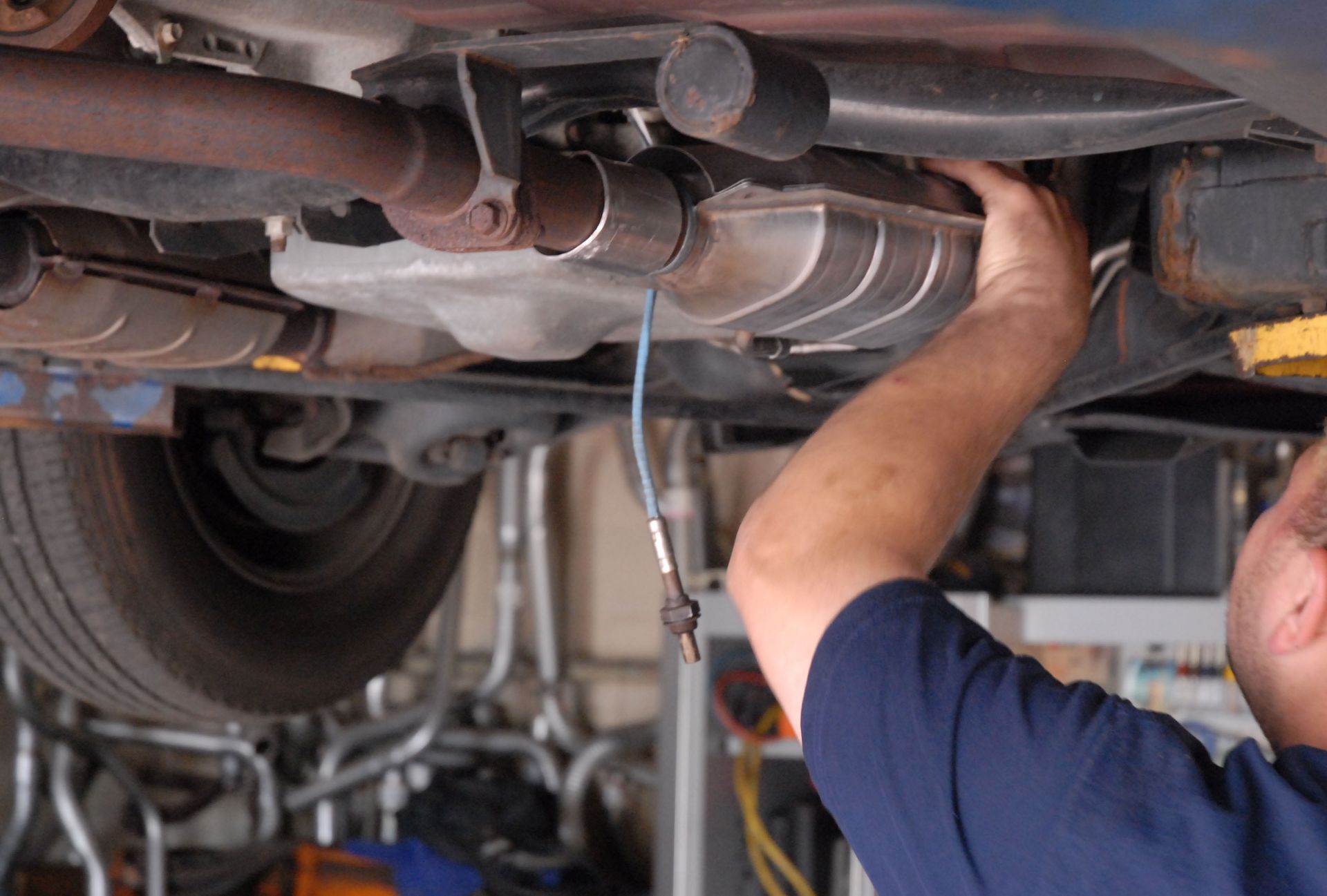
The catalytic converter is one of the most essential parts of your vehicle’s exhaust system, playing a major role in reducing harmful emissions and keeping your engine running efficiently. When it begins to fail, however, the symptoms can affect your vehicle’s performance, fuel economy, and overall drivability in ways that are easy to overlook at first. Because many drivers are unfamiliar with the early warning signs, catalytic converter problems often go undiagnosed until the damage becomes significant. According to The Business Research Group, the catalytic converter market size reached over $66 billion in 2024, showing how common converter replacements have become around the world. To help you avoid costly repairs, engine damage, or unexpected breakdowns, here are 12 detailed signs you may need a new catalytic converter.
1. Reduced Engine Power
One of the clearest signs of a failing catalytic converter is a noticeable reduction in engine power. When the converter becomes clogged with carbon buildup or damaged internally, exhaust gases struggle to exit the system efficiently. This creates backpressure that disrupts the engine’s ability to breathe properly. As a result, your vehicle may feel sluggish, unresponsive, or weak during everyday driving.
If you find that acceleration requires more effort than usual or that your engine seems to strain during uphill climbs, the catalytic converter may be restricting airflow. Reduced engine power often appears gradually, making it important to pay attention to even small performance changes. Ignoring this symptom can lead to worsening exhaust blockages and potential engine stress.
2. Slowed Acceleration Response
Along with reduced power, a clogged catalytic converter can cause delayed acceleration. When you press the gas pedal, the engine must expel exhaust rapidly to produce power. If the converter is blocked, the engine cannot respond as quickly, resulting in hesitation or jerking. This makes driving feel uneven and may create unsafe situations when merging or passing.
Slowed acceleration response is often one of the earliest indicators of converter trouble. If your vehicle hesitates or struggles to pick up speed despite regular maintenance, the catalytic converter is a strong suspect. Early intervention helps restore performance and prevent more costly repairs.
3. Decreased Fuel Efficiency
A failing catalytic converter often causes drivers to burn more fuel than usual. When the converter restricts airflow, the engine must work harder to maintain normal performance. This increased workload requires additional fuel, causing a noticeable drop in miles per gallon. You may find yourself visiting the gas station more frequently even though your driving habits haven't changed.
Inconsistent or reduced fuel efficiency is a common red flag. Keeping track of your average fuel consumption can help you identify when efficiency begins to drop, giving you an early indicator of potential converter issues. Left unchecked, this inefficiency can contribute to long-term engine strain.
4. Increased Exhaust Odor
One of the most recognizable symptoms of catalytic converter failure is a strong sulfur smell coming from the exhaust. Often described as a “rotten egg” odor, this smell occurs when the converter can no longer effectively break down the sulfur in gasoline. Instead of processing exhaust gases properly, the converter allows unburned fuel residues to escape.
This odor is a sign that the converter is no longer performing its emissions-reducing function. Because this symptom typically indicates advanced deterioration, it’s important to address it promptly. Continuing to drive with this issue can increase emissions and lead to potential vehicle damage.
5. Intensified Rattling Sounds
When the internal honeycomb structure inside the catalytic converter begins to break apart, it can cause rattling noises beneath the vehicle. These sounds are often most noticeable during startup or when the engine is idling. Over time, the rattling may worsen as more of the internal material breaks loose.
This rattling indicates that the converter is deteriorating internally and may soon become completely clogged. Replacing the converter before it breaks apart further helps prevent exhaust blockages that can harm the engine. If you hear consistent rattling, an inspection is essential.
6. Illuminated Check Engine Light
The check engine light is one of the most common indicators of catalytic converter trouble. Modern vehicles are equipped with oxygen sensors that monitor the converter’s efficiency. When these sensors detect irregularities—such as poor emissions processing or incorrect exhaust readings—they trigger the check engine light.
A diagnostic scan can confirm whether the catalytic converter is the cause. Ignoring a check engine light can lead to worsening mechanical issues, so prompt diagnosis is always recommended. Even if the converter isn't the culprit, the light signals a problem that requires attention.
7. Failed Emissions Testing
Because the catalytic converter plays a central role in filtering harmful pollutants, vehicle emissions testing quickly reveals whether it is functioning properly. If your vehicle emits higher levels of hydrocarbons, carbon monoxide, or nitrogen oxides, it may fail inspection. A failing converter is one of the primary reasons vehicles do not pass emissions tests.
Failing an emissions test more than once is a strong indication that your catalytic converter needs to be repaired or replaced. Replacing the converter restores your vehicle’s ability to meet environmental standards and keeps it legally drivable.
8. Elevated Engine Temperature
When exhaust gases cannot flow through the system properly due to a clogged catalytic converter, heat becomes trapped inside the engine compartment. This leads to unusually high temperatures that can affect other vehicle components. Drivers may notice heat radiating through the floor or smell a burning odor.
Elevated engine temperature is a serious concern because overheating can cause extensive damage. If you suspect that your catalytic converter is causing heat buildup, it’s important to stop driving and schedule service immediately. Addressing overheating early can prevent costly repairs or roadside breakdowns.
9. Darkened or Excessive Exhaust Smoke
A catalytic converter that is no longer working properly may allow unfiltered exhaust gases to escape, leading to darker or thicker smoke from the tailpipe. The smoke may appear black, gray, or unusually dense compared to normal operation. This indicates that fuel is not being burned efficiently or that emissions are not being processed correctly.
Any unusual exhaust appearance should be inspected promptly. Excess smoke often signals a deeper mechanical issue linked to converter failure or improper combustion. Addressing the issue early helps protect your engine and improve environmental safety.
10. Increased Hard Starting or Frequent Stalling
As the catalytic converter becomes more clogged, it creates backpressure that interferes with the engine’s ability to start smoothly. Your vehicle may take longer to turn over or may stall shortly after starting. These issues occur because the engine cannot expel exhaust efficiently enough to maintain stable combustion.
Hard starting or stalling should never be ignored, as these symptoms often worsen quickly. If left unaddressed, the backpressure can cause engine failure or damage to ignition components. Replacing the converter restores proper airflow and prevents ongoing frustrations.
11. Increased Rough Idling or Engine Misfires
A catalytic converter that is beginning to fail can disrupt the air-to-fuel mixture, causing misfires or rough idling. You may feel shaking or vibrating when the vehicle is stopped, or notice that the engine sounds uneven. These symptoms signal that the combustion process is being compromised by restricted exhaust flow.
Misfires put stress on spark plugs, ignition coils, and other engine components, leading to additional repair costs. Addressing converter-related misfires early helps maintain engine longevity and reliable performance.
12. Reduced Vehicle Performance
Often, catalytic converter failure presents multiple symptoms at once, creating a general decline in performance. You may notice unusual odors, inconsistent acceleration, poor fuel economy, or changes in exhaust behavior. When these signs appear together, it is likely the converter is no longer functioning effectively.
Any decline in vehicle performance should prompt a full inspection of the exhaust system. Replacing a failing catalytic converter restores efficiency and protects the engine from long-term damage.
At B & B Muffler, we specialize in diagnosing and replacing catalytic converter systems to keep your vehicle running safely and efficiently. If you recognize any of the signs above, our experienced team can inspect your exhaust system, recommend the right solution, and restore your vehicle’s performance. A healthy catalytic converter keeps emissions low, fuel efficiency high, and your engine operating at its best—and our experts are here to help you stay safely on the road.