February 26, 2026
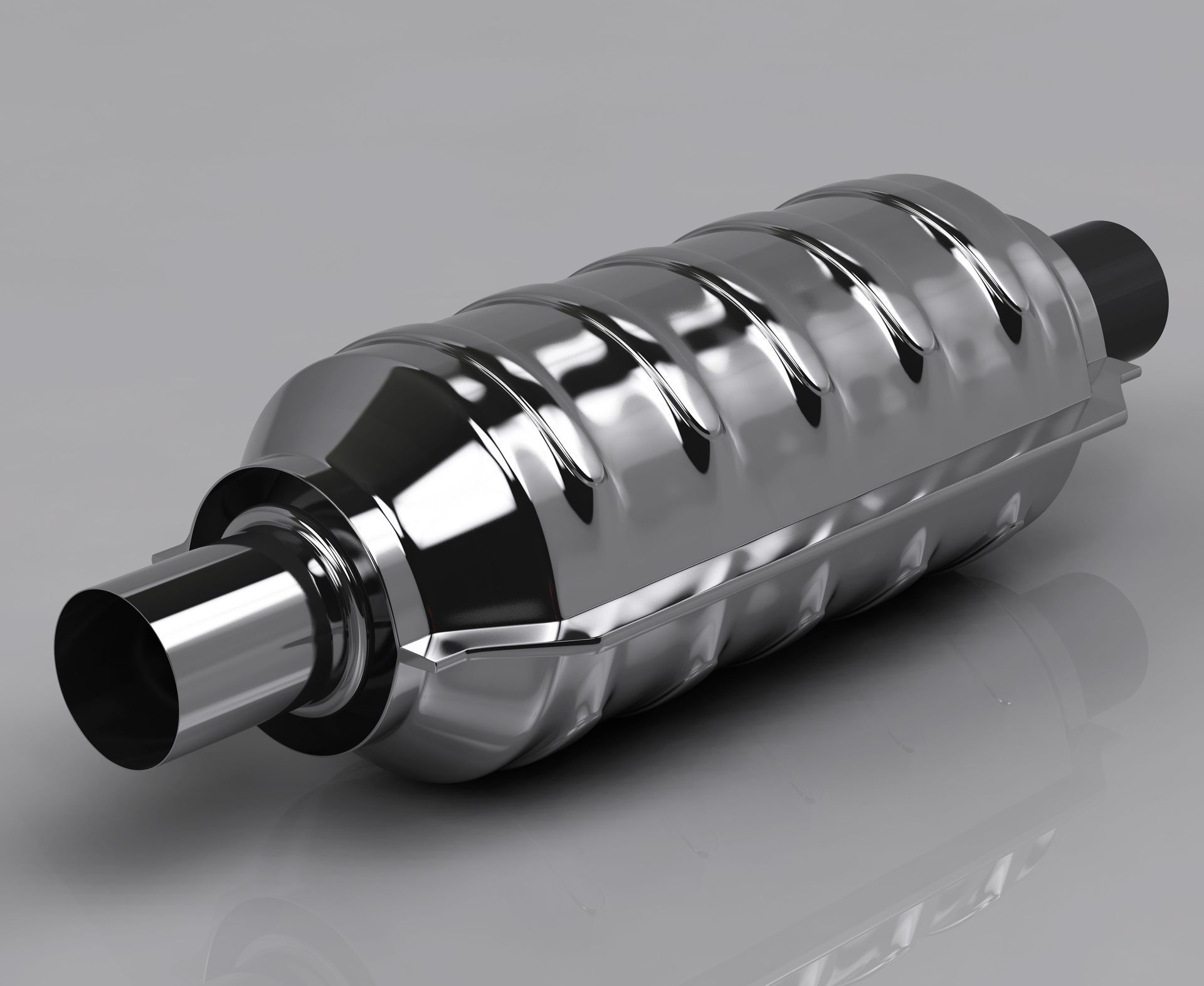
Catalytic converters play a vital role in modern vehicles by reducing harmful emissions and supporting cleaner air. Installed in nearly every gasoline-powered and hybrid automobile, catalytic converters transform toxic exhaust gases into less harmful substances before they exit the tailpipe. This essential function helps limit pollution, protect public health, and ensure compliance with increasingly strict environmental regulations. The design and operation of catalytic converters represent a sophisticated blend of chemistry, engineering, and material science, making them one of the most important components in today’s automotive systems.
Beyond their immediate environmental benefits, catalytic converters have influenced technological innovation, economic markets, and regulatory policies worldwide. As emission standards continue to evolve, catalytic converters remain at the center of efforts to reduce the environmental footprint of transportation.
Tracing the Development of Emission Control Technology
The origins of emission control technology date back to the mid-20th century, when the rapid growth of automobile use began to reveal its environmental consequences. Early strategies focused on improving fuel quality and adjusting engine performance to minimize harmful exhaust gases. While these initial measures helped, they were not sufficient to address the full scope of pollution produced by internal combustion engines. The introduction of catalytic converters in the 1970s marked a turning point. Driven by stricter environmental regulations, particularly in the United States, manufacturers adopted catalytic converters as a practical and effective solution for reducing emissions.
Over time, technological advancements further enhanced the efficiency and durability of catalytic converters. The development of the three-way catalyst system in the early 1980s allowed for the simultaneous reduction of carbon monoxide, hydrocarbons, and nitrogen oxides. Continued innovation in materials and engineering has since refined their performance, making catalytic converters more effective, compact, and reliable. Regulatory pressure has consistently shaped their evolution. As governments imposed tighter emission standards, manufacturers responded with improved catalyst coatings, optimized designs, and advanced testing procedures.
Exploring the Chemistry That Powers Catalytic Converters
At the core of catalytic converters is a series of chemical reactions designed to neutralize harmful exhaust gases. As engine emissions pass through the converter, they encounter a catalyst-coated surface that triggers rapid transformations. Carbon monoxide is oxidized into carbon dioxide, hydrocarbons are converted into water vapor and carbon dioxide, and nitrogen oxides are reduced into harmless nitrogen and oxygen. These reactions are facilitated by precious metals such as platinum, palladium, and rhodium. Platinum and palladium primarily support oxidation processes, while rhodium excels at reducing nitrogen oxides. This precise balance allows catalytic converters to achieve remarkable efficiency in emission reduction.
The three-way catalyst system exemplifies the sophistication of modern catalytic converters. By carefully controlling the air-to-fuel ratio, this system enables the simultaneous conversion of multiple pollutants. The result is a highly effective mechanism that meets rigorous regulatory standards without sacrificing engine performance. Temperature also plays a crucial role in the chemical efficiency of catalytic converters. The reactions occur most effectively within a specific thermal range, making heat management a critical design consideration.
Examining the Engineering Behind Converter Design
The structural design of catalytic converters is essential to their performance and durability. Most modern converters utilize a monolithic ceramic substrate featuring a honeycomb pattern that maximizes surface area while minimizing airflow resistance. This configuration allows exhaust gases to interact efficiently with catalyst coatings, enhancing conversion rates. Material selection is equally critical. High-temperature-resistant ceramics ensure stability under extreme heat, while carefully formulated catalyst coatings deliver consistent chemical activity. Advances in coating techniques, such as washcoat technology, have significantly improved uniformity and durability, extending the lifespan of catalytic converters.
Integrating catalytic converters into vehicle exhaust systems presents complex engineering challenges. Their placement must ensure optimal exposure to exhaust gases while managing heat, minimizing backpressure, and maintaining overall system efficiency. Achieving this balance requires precise design and rigorous testing. Engineers also face challenges related to material costs and environmental sustainability. Precious metals are expensive and resource-intensive to extract, prompting ongoing research into alternative catalysts and reduced-metal designs.
Evaluating Environmental Benefits and Limitations
Catalytic converters have dramatically improved air quality by reducing harmful pollutants emitted by vehicles. Their widespread adoption has played a key role in lowering levels of smog, carbon monoxide, and nitrogen oxides, particularly in densely populated urban areas. These improvements have had measurable health benefits, reducing respiratory illnesses and enhancing overall quality of life. Despite their effectiveness, catalytic converters do not directly reduce carbon dioxide emissions, a primary contributor to climate change. As a result, they must be complemented by broader strategies, including fuel efficiency improvements, alternative energy sources, and electrification.
The life cycle of catalytic converters also warrants consideration. From raw material extraction to manufacturing and eventual recycling, each stage carries environmental implications. Fortunately, recycling programs allow for the recovery of valuable metals, reducing the need for new mining and supporting sustainable resource management. Efforts to mitigate environmental drawbacks include developing alternative catalyst materials, improving recycling efficiency, and refining manufacturing processes. These initiatives aim to ensure that catalytic converters remain both environmentally beneficial and economically viable.
Understanding the Economic and Industry Impact
The catalytic converter industry is deeply intertwined with global automotive production and environmental policy. Market demand is driven by regulatory requirements and consumer expectations for cleaner vehicles. According to The Business Research Group, the catalytic converter market is expected to grow to $112.3 billion by 2029, reflecting increasing investment in emission control technologies. Manufacturing costs remain a significant consideration, primarily due to the use of precious metals. Balancing material expenses with performance requirements challenges manufacturers to innovate continually. Advances in catalyst efficiency and recycling practices have helped manage costs while maintaining compliance with environmental standards.
Catalytic converters also influence precious metals markets, as fluctuations in supply and demand affect global pricing. This relationship underscores the broader economic implications of emission control technology, linking automotive production with mining, recycling, and international trade. Recycling plays a vital role in the economic ecosystem of catalytic converters. End-of-life recovery of platinum, palladium, and rhodium reduces material waste and lowers production costs. This circular approach supports sustainability while reinforcing the financial stability of the industry.
Anticipating Future Trends and Technological Shifts
The future of catalytic converters will be shaped by emerging technologies, evolving regulations, and the global transition toward electric vehicles. Researchers are actively exploring alternative catalysts, including mixed-metal oxides and nanomaterials, to enhance performance and reduce dependence on scarce resources. The rise of electric vehicles presents both challenges and opportunities. While fully electric models do not require catalytic converters, hybrid vehicles and transitional technologies continue to rely on them.
Innovations in emission control strategies, such as particulate filters and smart diagnostics, complement the role of catalytic converters. Integration with intelligent vehicle systems enables real-time monitoring and optimization, improving efficiency and ensuring compliance with strict standards. As the automotive industry evolves, catalytic converters will remain a cornerstone of emission reduction efforts. Strategic investment in research, sustainable practices, and advanced engineering will determine their long-term impact and adaptability.
Catalytic converters stand as one of the most influential innovations in automotive history, significantly reducing harmful emissions and supporting global environmental goals. Their evolution reflects decades of scientific discovery, engineering refinement, and regulatory collaboration. From early emission control efforts to advanced three-way catalyst systems, catalytic converters have continuously adapted to meet rising environmental standards.
Looking ahead, technological advancements, market dynamics, and the growth of electric mobility will reshape the role of catalytic converters. Yet their fundamental purpose—protecting air quality and public health—will remain unchanged. By embracing innovation and sustainability, catalytic converters will continue to play a crucial role in creating cleaner, more efficient transportation systems. For expert solutions, reliable service, and trusted support for all your exhaust system needs, contact B & B Muffler today and experience the difference.